







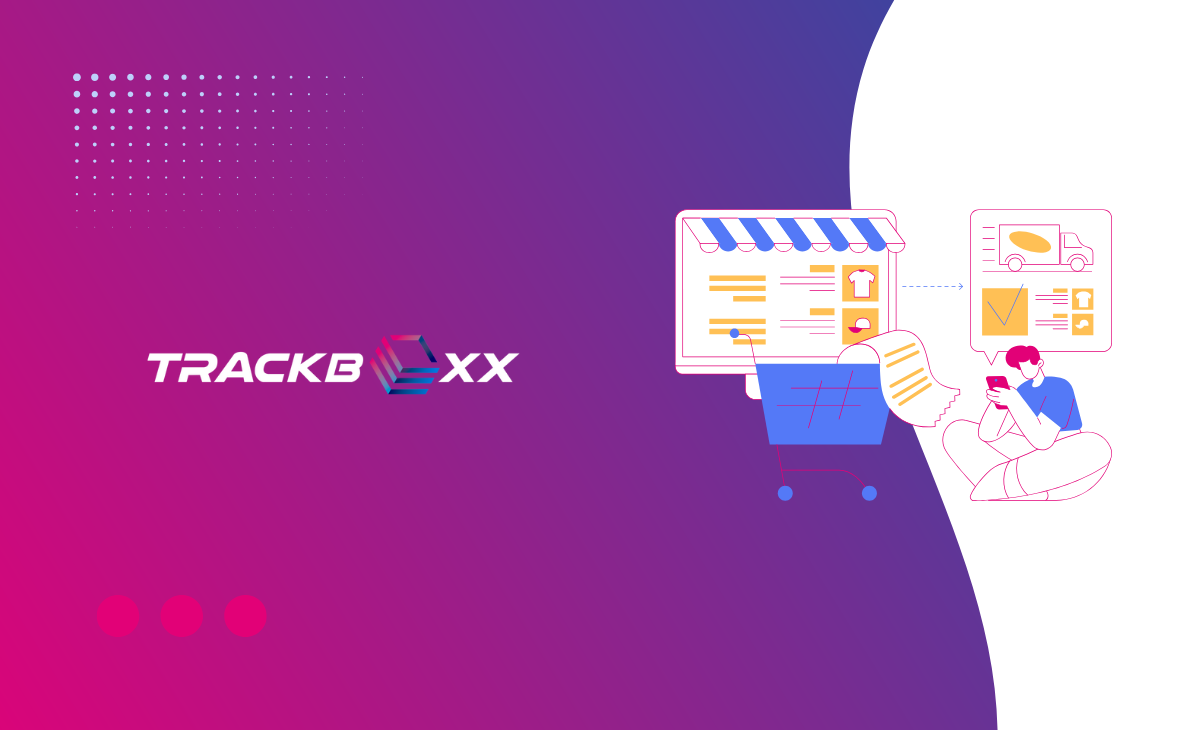
Online retail moves quickly — too quickly to pack every order by hand, write every email individually or adjust prices one at a time. E-commerce automation takes repetitive work off your team, speeds up operations and makes growth easier to manage.
But what does automation look like in practice, and where does it genuinely add value? Let’s take a closer look.
What is e-commerce automation?
E-commerce automation uses tools, software and connected processes to handle recurring tasks in an online shop automatically. The aim is to save time, reduce errors and use resources more effectively.
In other words, routine work that does not require creativity or human judgement can be delegated to a digital system.
The main use cases — with practical examples
Marketing automation
- Abandoned-cart emails: Send an automatic reminder after one or 24 hours. Klaviyo reports conversion uplifts of up to 20%.
- Email workflows: Automate welcome sequences, product recommendations and birthday emails.
- Personalised content: Recommend products based on behaviour, such as items frequently bought together.
For more on conversion strategy, read our guide: What is conversion tracking?
Order processing and warehouse logistics
- Automated fulfilment: An order can automatically create a shipping label, tracking number and invoice.
- Dropshipping processes: Send orders to the supplier automatically through an API.
- Low-stock alerts: Notify purchasing before a bestselling product sells out.
You may also find this useful: Delivery providers for online shops | Managing e-commerce returns
Customer service automation
- Chatbots for standard questions (such as “Where is my order?”)
- Self-service portals: Let customers initiate a return without contacting support.
- Automatic ticket routing: Send each support ticket directly to the right team.
Pricing and product management
- Dynamic pricing: Adjust prices in response to demand, stock levels or competitors.
- Content synchronisation: Keep product copy, images and availability consistent across your shop, marketplaces and social-commerce channels.
Related reading: Payment providers for online shops compared
Accounting and legal processes
- Invoicing and DATEV exports are automated
- VAT determination by destination country (e.g. OSS in the EU)
- Update legal copy automatically through a connected provider when terms and conditions change.
Benefits of e-commerce automation
| Advantage | What it delivers |
| Time savings | Fewer manual tasks and more time to focus on growth |
| Scalability | Process more orders without increasing headcount at the same rate |
| Fewer errors | Reduce copy-and-paste mistakes, missed emails and other avoidable errors |
| A better customer experience | Faster responses, consistent communication and more relevant offers |
| Competitiveness | Automation is now a standard part of modern retail, not a luxury |
Popular tools and platforms
- Shopify Flow: Build automation rules directly into the shop platform
- Klaviyo: A leading email-automation platform for direct-to-consumer brands
- Zapier / Make: Connect applications and workflows without writing code
- Sendcloud: Automate fulfilment and shipping workflows
- Xentral / Billbee / JTL: ERP platforms with extensive automation options
E-commerce automation: figures and benchmarks
- The source cited in the original article states that 82% of successful e-commerce companies use automation in marketing and fulfilment (Source: Omnisend, 2024).
- According to the cited Klaviyo benchmark, automated abandoned-cart emails can achieve conversion rates up to five times higher than standard campaigns (Source: Klaviyo).
- The original article cites Forrester as reporting operational cost savings of up to 30% through workflow automation.
Does automation make sense for every online shop?
In short: yes, but the appropriate level varies.
- Small shops can benefit from simple, affordable tools for tasks such as email automation and shipping.
- Growing companies should review their processes and introduce workflows that can scale.
- Major brands often use custom integrations, ERP systems and AI-assisted personalisation.
Why analytics and tracking matter
Tracking provides the data behind almost every e-commerce automation. Without a reliable foundation, automated product recommendations, email triggers and pricing decisions can be ineffective or even counterproductive.
A capable web analytics platform shows how visitors use your shop, where they leave and which pages perform well. Those insights can feed directly into automations such as:
- Triggered emails after abandonment or prolonged inactivity
- A/B tests for automated sales journeys
- Audience segments for personalised automation paths
Important: Your tracking setup should comply with the GDPR. Tools such as Trackboxx can provide detailed analysis without relying on conventional tracking cookies.
Learn more in our guide: E-commerce tracking — web analytics for online shops
Conclusion: automate repetition and focus on value
Automation is a means to improve efficiency, not an end in itself. Used well, it creates more time for product development, brand building and genuine customer relationships.
Whether you begin with an email trigger or warehouse automation, starting early makes it easier to scale your processes deliberately.
Read more:
- E-commerce trends for 2025 and beyond
- How to create an online shop: your introduction to e-commerce
- E-commerce platforms compared
- E-commerce branding: how to build a stronger shop brand
Try Trackboxx free for 30 days now
No payment information required! No automatic renewal!
Trackboxx is ready in one minute.